Developing OXZEP7 software helps businesses work smarter. It is a flexible platform that adapts to specific needs. You can automate tasks, manage data efficiently, and improve workflows.
OXZEP7 combines modern technology with practical solutions for real-world problems. This step-by-step guide will take you through the entire process.
From planning and choosing the right tools to testing, deployment, and scaling, every stage is explained clearly. You will learn how to build software that is secure, efficient, and ready for the future.
Understanding What OXZEP7 Software Really Is
OXZEP7 software is a modern, modular platform. It focuses on flexibility and scalability. Unlike rigid software, it adapts to your business needs.
It integrates with existing tools and automates workflows. You can build components independently. OXZEP7 bridges traditional enterprise software and cloud-native applications.
Core Principles of OXZEP7
- Modularity: Independent components can be developed separately.
- Scalability: The system grows with your business needs.
- Integration: Connects smoothly with other applications.
Why Businesses Choose to Develop OXZEP7 Software
Businesses use OXZEP7 to solve real problems. It handles complex workflows efficiently. Healthcare, finance, education, and startups benefit greatly.
OXZEP7 focuses on practical solutions, not generic features. Organizations can build software tailored to their needs. It reduces wasted resources and maximizes productivity.
Key Advantages
- Customizable: Tailor the software to specific business challenges.
- Efficient: Automation reduces manual work.
- Future-ready: Designed to scale and integrate with modern technologies.
Essential Skills Required Before You Develop OXZEP7 Software
Your team needs solid technical skills. Programming in Python, Java, or JavaScript is essential. Database knowledge is crucial for managing data.
API development and cloud deployment are also important. Soft skills like communication, problem-solving, and project management are equally necessary.
Recommended Tools & Skills
- Cloud Platforms: AWS, Azure, Google Cloud.
- Databases: SQL and NoSQL (PostgreSQL, MongoDB).
- Development Practices: Agile, Git version control, code reviews.
Planning Your OXZEP7 Development Project
Planning is the foundation of success. Start by identifying the problem. Conduct stakeholder interviews and gather user feedback.
Create detailed user personas to guide design decisions. Set SMART goals to measure progress. Plan the project timeline with clear milestones.
Key Planning Steps
- Requirement Analysis: List all user needs.
- Goal Setting: Define measurable objectives.
- Workflow Mapping: Identify areas for improvement.
Choosing the Right Technology Stack
Select tools based on project needs. Backend: Python with FastAPI or Node.js with Express. Frontend: React or Vue.js.
Tailwind CSS simplifies UI development. Databases: PostgreSQL for relational, MongoDB for flexible models. Using both is often beneficial.
Table 1: Recommended OXZEP7 Technology Stack
| Layer | Technology Option | Purpose |
| Backend | Python (FastAPI) | Efficient API development |
| Backend | Node.js (Express) | Asynchronous, event-driven apps |
| Frontend | React | Component-based UI |
| Frontend | Vue.js | Lightweight, easy to learn |
| Styling | Tailwind CSS | Rapid, consistent UI |
| Database | PostgreSQL | Relational data |
| Database | MongoDB | Flexible, document-based data |
Implementing Microservices Architecture
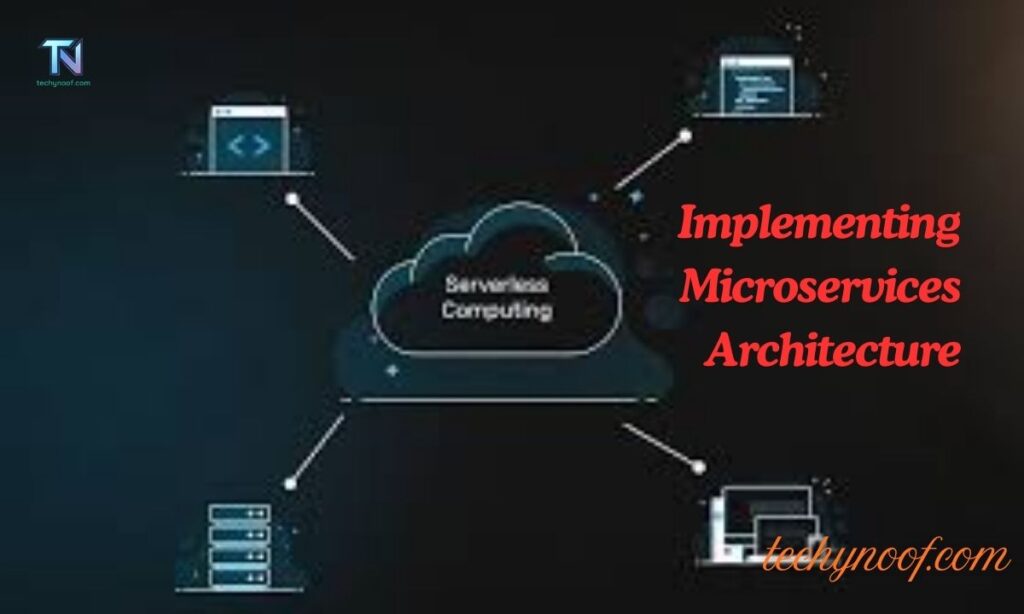
Microservices divide functionality into independent services. Each service focuses on a specific capability. They communicate through APIs.
This architecture improves scalability and reliability. Teams can work independently on different services. Problems in one service do not crash the system.
Microservices Examples
- User Service: Handles authentication and roles.
- Task Management Service: Manages project workflows.
- Notification Service: Sends alerts and updates.
Developing Core OXZEP7 Features
Start with essential features. Authentication and access control are critical. Implement multi-factor authentication and role-based permissions.
Dashboards and visualizations help users understand data quickly. Include interactive charts, real-time updates, and report export.
Automation tools trigger tasks based on conditions. API integration ensures seamless communication with other systems.
Integrating Artificial Intelligence and Machine Learning
AI enhances user experience and efficiency. Use natural language processing (NLP) for conversational interfaces. Machine learning predicts user needs and analyzes patterns.
Start small with AI: chatbots, sentiment analysis, or predictive text. Popular libraries: TensorFlow and PyTorch. Cloud AI platforms: AWS SageMaker, Google AI Platform.
AI Use Cases
- Customer Service: Chatbots handle common requests.
- Analytics: Predict trends and identify anomalies.
- Automation: Suggest actions based on patterns.
Prioritizing Security Throughout Development
Security must be integral, not optional. Encrypt data in transit and at rest. Conduct regular audits and penetration tests.
Use secure API authentication (OAuth 2.0, JWT). Validate inputs to prevent attacks. Update dependencies frequently to avoid vulnerabilities.
Compliance Requirements
- Healthcare: HIPAA standards.
- Finance: PCI DSS compliance.
- Global: GDPR for EU data protection.
Testing Strategies for OXZEP7 Software
Test software thoroughly before launch. Unit tests check individual functions. Integration tests confirm components work together.
System tests verify overall functionality. User acceptance testing ensures software meets expectations. Automated tools: Selenium, Cypress.
Performance tests include load, stress, and endurance scenarios. Real-world usage guides your testing approach.
Deploying OXZEP7 to Production
Cloud deployment ensures scalability and reliability. Choose a deployment strategy: blue-green or canary releases.
Monitor system health from day one. Track response times, error rates, server load, and user activity. Tools: Datadog, New Relic, ELK Stack.
Deployment Tips
- Rollback Plan: Prepare to revert if issues arise.
- Staging Environment: Test updates before production.
- Monitoring: Real-time alerts for performance issues.
Gathering User Feedback and Iterating
Software evolves with user feedback. Collect insights through surveys, in-app forms, and analytics.
Identify patterns in requests or complaints. Prioritize improvements based on impact and effort. Maintain a public roadmap for transparency.
Feedback Channels
- In-app feedback forms.
- Support ticket analysis.
- Regular user surveys.
Scaling OXZEP7 as Your Business Grows
Plan for growth to prevent bottlenecks. Implement horizontal scaling with additional servers. Use caching to reduce database load.
Optimize database queries and leverage CDNs for static content. Auto-scaling in the cloud handles sudden traffic spikes.
Table 2: Scaling Techniques
| Component | Scaling Strategy |
| Application | Horizontal scaling, load balancing |
| Database | Read replicas, sharding, caching |
| Static Assets | Content Delivery Network (CDN) |
| API | Rate limiting, endpoint scaling |
Best Practices for OXZEP7 Development Teams
Adopt Agile methodology with sprints and retrospectives. Daily standups keep everyone aligned. Peer code reviews maintain quality.
Document code consistently. Use Git for version control. Encourage knowledge sharing and collaboration.
Common Challenges When Developing OXZEP7 Software
Scope creep occurs when requirements expand constantly. Prevent it with formal change requests.
Technical debt slows development over time. Allocate time for refactoring. Communication breakdowns create errors and inefficiency.
Real-World OXZEP7 Implementation Examples
Healthcare: Patient management system automated scheduling, messaging, and reports. Reduced admin time by 40%.
Education: LMS platform with automated grading, real-time collaboration, and analytics. Saved faculty five hours weekly.
Future Trends in OXZEP7 Development
AI integration will become more predictive. Low-code/no-code tools enable faster customization. Mobile and voice-first experiences will grow.
Blockchain and edge computing improve security and performance. Progressive web apps bridge web and mobile applications.
Measuring Success After You Develop OXZEP7 Software
Track user adoption, engagement, and feature usage. Evaluate business impact: time saved, errors reduced, cost savings.
Monitor technical performance: uptime, response time, error rates. Report metrics regularly to demonstrate value.
Success Metrics Examples
- User adoption rate.
- Time saved on tasks.
- System uptime percentage.
Getting Started with Your OXZEP7 Project
Start with a pilot project. Focus on a specific problem. Assemble a cross-functional team with developers, designers, and subject matter experts.
Invest in learning microservices, APIs, and cloud deployment. Launch, gather feedback, and iterate. Build confidence before scaling larger projects.
Frequently Asked Questions
What is OXZEP7 software?
It is a modular, scalable platform for enterprise workflow automation.
Which programming languages are required?
Python, JavaScript, and Java are commonly used.
Can OXZEP7 integrate with other systems?
Yes, it supports APIs and multiple integrations.
How do I ensure security?
Encrypt data, use secure authentication, and perform regular audits.
Is AI necessary for OXZEP7?
Not mandatory, but AI can enhance automation and insights.
Conclusion
Developing OXZEP7 software requires planning, skill, and iteration. Focus on solving core problems first. Use modular architecture, secure practices, and Agile methods.
Gather feedback, scale gradually, and measure performance. Continuous improvement ensures long-term success. OXZEP7 can transform workflows, increase efficiency, and deliver real business value.

David is the founder of techynoof.com, a site dedicated to puns and clever wordplay. He loves turning language into laughter and making words wonderfully witty.