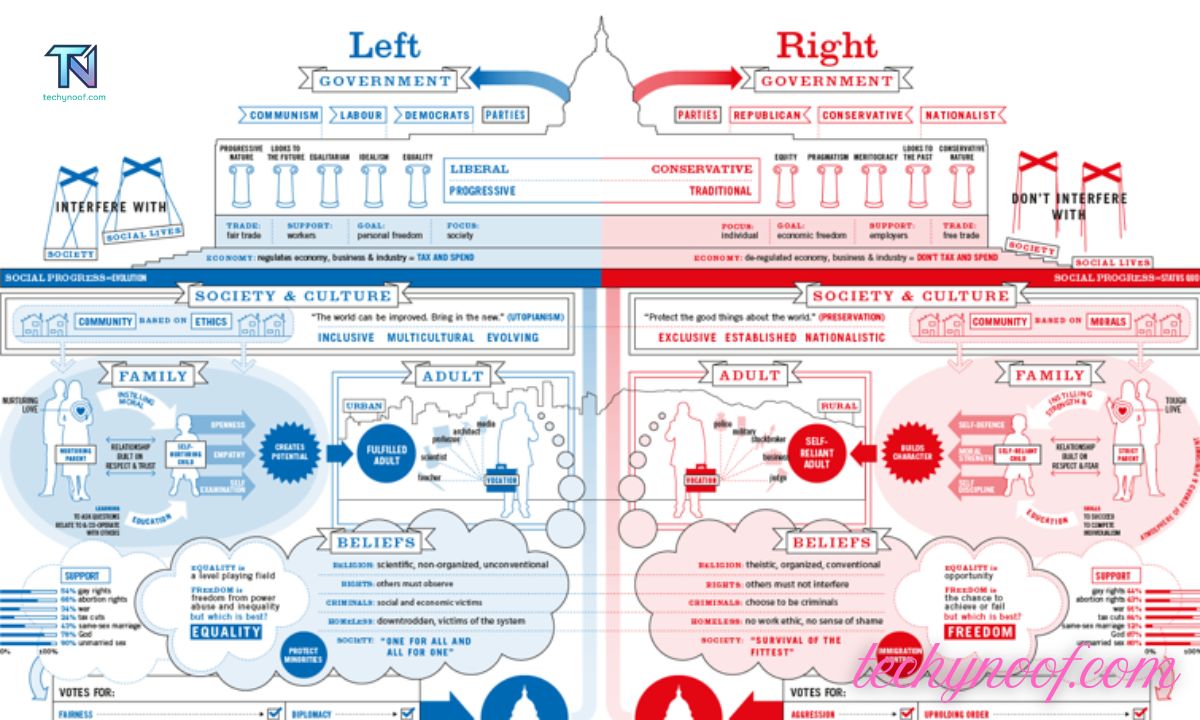
Talking politics with kids doesn’t have to be hard. Children ask questions about everything they hear. Democrat vs Republican are terms they notice on TV and in conversations.
You need simple words to explain these two major parties. This guide makes it easy to break down political differences for young minds. Let’s turn confusing concepts into kid-friendly lessons they’ll actually understand.
Use a Team Analogy
Kids love teams. They understand competition and teamwork. Using a team analogy makes politics instantly relatable. Think of Democrats and Republicans as two sports teams. Each team has its own colors, fans, and game plan.
These teams aren’t enemies. They’re competitors working toward the same goal. Both want to make the country better. They just have different ideas about how to do it. One team might think passing the ball more is best.
Here’s how to explain it simply:
- Two teams compete: Democrats wear blue, Republicans wear red
- Different playbooks: Each has unique ideas for winning
- Fans choose sides: People vote for the team they like best
- Same goal: Both want a strong, happy country
This approach works because kids get competition. They’ve cheered for teams before. They understand that teams can disagree but still play fair.
Use their favorite sports as examples. Ask them how two teams can both try their hardest but have different plays. This comparison makes political parties feel less scary and more familiar.
Highlight Core Beliefs
Every party stands for certain core values. Democrats and Republicans have different priorities. Explaining these beliefs in simple terms helps kids understand the disagreements. Keep it basic and avoid complex policy details.
Democrats generally believe the government should help people more. They want to make sure everyone has what they need. Think of it like making sure every kid gets lunch at school. They support programs that help people who are struggling. They believe in working together as a community.
Republicans generally believe people should have more freedom to make their own choices. They think families and individuals know what’s best for themselves. They want people to keep more of their own money. Think of it like letting kids decide how to spend their allowance. They believe in personal responsibility and hard work.
| Democrat Values | Republican Values |
| Government helps everyone | Personal freedom matters most |
| Share resources as a group | Keep what you earn |
| Strong safety nets | Individual responsibility |
| Community support | Family decisions |
Both parties want good things for America. They just disagree on the best path forward. Democrats might say “let’s work together and share.” Republicans might say “let’s give people freedom to choose.” Neither is good or bad.
Relate to Everyday Life
The best way to teach kids is through real-world examples. Connect party ideas to things they experience daily. Use their school, home, and playground as teaching tools. This makes abstract concepts concrete and memorable.
Think about Democrats like a teacher who makes sure every student gets supplies. If one kid forgets their crayons, the teacher shares the classroom set. Everyone gets what they need to succeed. Democrats want the government to help people the same way.
They support things like free school lunches and libraries for everyone. Think about Republicans like parents who give you an allowance to manage yourself. You decide whether to save it or spend it.
You learn from your choices. Republicans want people to have that same freedom with their money. They believe you know best how to use what you earn.
Here are everyday examples:
- School rules: Democrats might want the school to provide all supplies; Republicans might want families to choose their own
- Playground sharing: Democrats support community toys everyone uses; Republicans support bringing your own toys
- Snack time: Democrats want the school to provide snacks for all; Republicans want families to pack what they prefer
- Class projects: Democrats favor group grades; Republicans favor individual grades
These examples help kids see how political ideas affect daily life. They understand sharing versus personal choice. They’ve experienced both at school.
Use these moments to explain that both approaches have benefits. Sometimes sharing helps everyone. Sometimes personal choice teaches responsibility.
Explain Voting Like a Class Decision
Voting confuses many kids. They don’t understand how leaders get picked. Comparing voting to classroom decisions makes the process crystal clear. Kids participate in group choices all the time.
Think about choosing a game for recess. The teacher asks for suggestions. Some kids want kickball. Others want tag. Everyone votes by raising their hands. The game with the most votes wins. That’s exactly how elections work on a bigger scale.
Democrats and Republicans are like students suggesting different games. Democrats might suggest one activity. Republicans might suggest another. Then all the adults in the country vote. The party that gets more votes wins.
Key voting concepts for kids:
- Everyone gets one vote
- Majority wins the decision
- The winner leads until the next vote
- People can change their minds next time
This explanation shows kids that democracy is fair. Everyone’s voice counts equally. No one person decides everything alone. The group chooses together. Sometimes your choice wins.
Sometimes it doesn’t. Either way, you got to participate. Next time, you can vote again and maybe the result will be different.
Keep It Neutral and Positive

This is the most important rule when talking politics with kids. Never make one party sound like the bad guys. Both Democrats and Republicans love America. They just have different ideas about helping it succeed.
Kids pick up on your tone and bias quickly. If you bad-mouth one party, they’ll think that party is evil. That’s not true and it’s not fair. Instead, present both sides as teams of people trying their best. Explain that disagreement is healthy and normal.
Teach them these important lessons:
- No villains: Both parties have good people with good intentions
- Respectful disagreement: Adults can argue ideas without being mean
- Multiple perspectives: There’s usually more than one right answer
- Thinking for yourself: They can learn about both and form their own opinions later
Use positive language for both parties. Say “Democrats think this way” instead of “Democrats are wrong about this.” Say “Republicans value that” instead of “Republicans don’t care about people.” Keep descriptions factual and balanced.
Brief History
Understanding where Democrats and Republicans came from helps kids see the bigger picture. The two parties have existed for a long time. They’ve changed over the years based on what America needed.
The Democratic Party
The Democratic Party started in the 1820s. Andrew Jackson helped create it. Back then, it represented farmers and working people. The party believed states should have lots of power. Over time, Democrats changed their focus.
In the 1930s during the Great Depression, they started supporting government programs to help struggling Americans. Today, Democrats generally support social programs, environmental protection, and equal rights for all people.
The Republican Party
The Republican Party began in 1854. It was formed to stop slavery from spreading. Abraham Lincoln was the first Republican president. He helped end slavery during the Civil War. After that, Republicans focused on business growth and industry.
In recent decades, they’ve emphasized lower taxes, smaller government, and traditional values. They believe in free markets and personal freedom.
How They’ve Changed
Both parties have evolved dramatically. Democrats used to support states’ rights strongly. Now they often support federal power to protect rights. Republicans used to be the party of the North.
Now they’re stronger in the South and rural areas. These shifts happened gradually as America faced new challenges like wars, economic problems, and social changes.
What’s Next for You
Now you have the tools to explain politics to curious kids. You can turn confusing concepts into simple ideas. Use team comparisons, everyday examples, and neutral language.
Remember that your goal isn’t to make them pick a side. Your goal is to help them understand how American democracy works.
Start small with these practical steps:
- Answer their questions when they ask about news or elections
- Use examples from their school and home life
- Stay balanced by presenting both sides fairly
- Encourage curiosity about how government works
- Be patient because understanding takes time
The next time your child asks about Democrats and Republicans, you’re ready. You can have a meaningful conversation that builds their knowledge. You’re teaching them to be informed citizens. You’re showing them that people can disagree respectfully. These are life lessons that extend far beyond politics.
Frequently Asked Questions
What’s the main difference between Democrats and Republicans?
Democrats generally support more government programs to help people, while Republicans prefer less government and more personal freedom.
Which party is better for kids to support?
Neither is “better”—both have valid ideas. Kids should learn about both and form their own opinions when they’re older.
How do I explain without sharing my own political views?
Present both sides equally using neutral language. Focus on what each party believes rather than what you believe.
At what age should I start explaining politics to my child?
Around age 6-8 when they start asking questions. Keep explanations simple and age-appropriate.
Can Democrats and Republicans be friends?
Absolutely! Many people with different political views are close friends, family members, and coworkers.
Why do people get so upset about politics?
Because people care deeply about making the country better. They have strong beliefs about the right way to help.
Do kids have to pick a party?
No! Kids don’t need to choose. They can learn about both and decide when they’re adults if they want to join either party.
Conclusion
Explaining Democrat vs Republican to a child doesn’t have to be complicated. You now have five clear strategies that work. Use team analogies to make it fun. Highlight core beliefs simply. Connect ideas to their daily experiences.
Compare voting to classroom decisions. Most importantly, stay neutral and positive throughout. These conversations matter more than you might think. You’re teaching kids how democracy functions.

David is the founder of techynoof.com, a site dedicated to puns and clever wordplay. He loves turning language into laughter and making words wonderfully witty.